Hyaluronic Acid for Mature Skin: What It Does in a Cream
Hyaluronic acid is one of the most popular hydrating ingredients in skincare. Here is what it does on the skin, how to use it and what to expect.
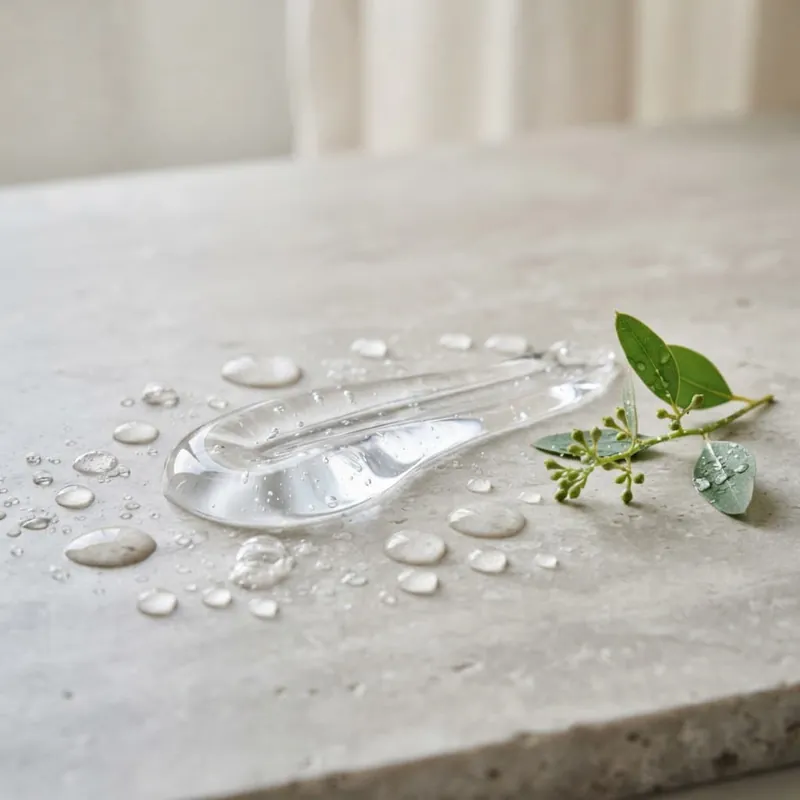
If you read the label of almost any hydrating cream, you will find hyaluronic acid (often listed as sodium hyaluronate). It has become a staple of modern skincare for a simple reason: it is very good at holding water.
What hyaluronic acid is
Hyaluronic acid is a molecule found naturally in the body, including in the skin. In cosmetics it is used as a humectant – an ingredient that attracts water and helps hold it in the upper layers of the skin. It can bind many times its own weight in water, which is why a small amount goes a long way.
What it does on the skin
- Hydrates. It helps skin feel moisturised and comfortable.
- Supports a plump feel. Well-hydrated skin looks and feels more cushioned.
- Softens the look of dryness lines. When skin is dehydrated, fine lines can look more pronounced; better hydration makes them look softer.
It is a cosmetic ingredient. It supports the appearance of skin; it does not change the structure of the skin or replace medical treatment.
Why it suits mature skin
As we age, skin holds water less easily and the surface can feel drier and tighter. Pairing a water-binding ingredient with a richer cream is a sensible way to keep skin comfortable through the day.
How to get the most from it
- Apply to clean, slightly damp skin. Humectants work with the water that is available.
- Follow with a cream. The cream helps keep moisture in.
- Be consistent. Hydration is a daily habit, not a one-off event.
Hyaluronic acid in Elesse Cream
Hyaluronic acid is one of the ingredients highlighted in the Elesse Cream product information, alongside apple stem cells, snail mucin, Centella asiatica and vitamins C and E. The full INCI list is printed on the pack, so check it for the details of your own jar.
See Elesse Cream in your country →
Frequently asked
Is it suitable for all skin types? It is widely used, including on dry and combination skin. If your skin is very sensitive, test a small area first.
Does the molecule size matter? Formulators use different sizes for different textures and feel; for everyday use you do not need to worry about it.