Snail Mucin in Skincare: Why It Became a Beauty Favourite
Snail mucin is a popular hydrating ingredient, especially in Korean beauty. Learn what it is, how it feels on the skin and how to use it.
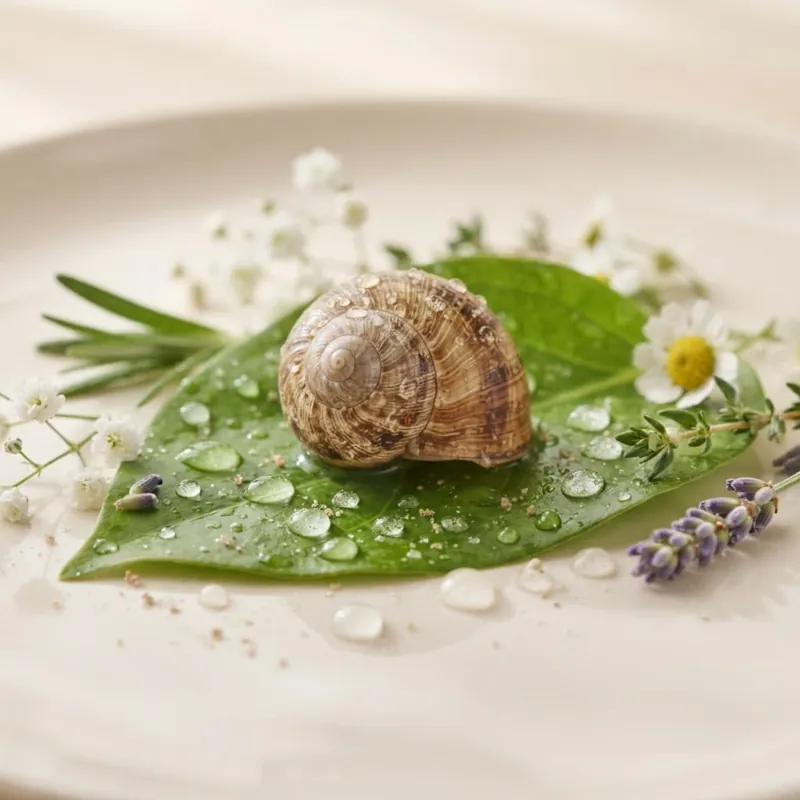
Snail mucin – also called snail secretion filtrate on ingredient lists – went from a curiosity to a mainstream skincare ingredient in only a few years. Today it appears in serums, essences and creams across Europe.
What it is
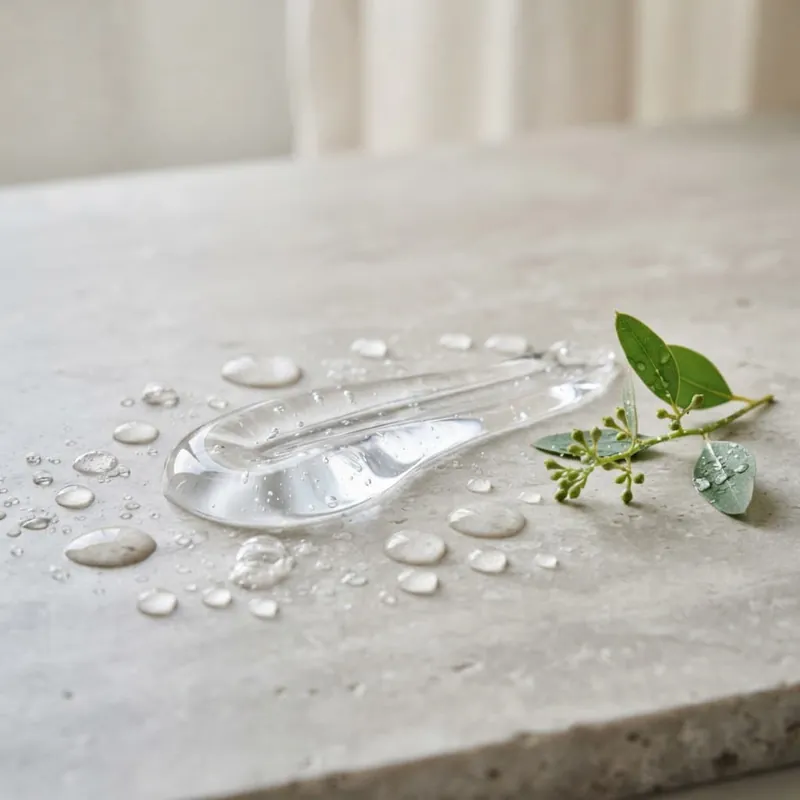
Snail mucin is the clear, slightly viscous fluid that snails produce naturally. In cosmetics, it is collected in a way that is designed not to harm the animals and then filtered and purified before being used in formulas.
Why people like it
- Hydration. The fluid has a gel-like, water-holding character that helps skin feel moisturised.
- A soft, supple feel. Many people describe a cushioned, bouncy finish.
- A gentle, comforting texture. It layers easily with other products.
What to expect
Snail mucin is a care ingredient: it supports how skin looks and feels. It works best as part of a regular routine and is not a substitute for medical treatment.
How to use it
- Apply to clean skin.
- Follow with a cream to seal in moisture.
- Introduce it gradually if your skin is sensitive, and test a small area first.
People with a known sensitivity to animal-derived ingredients should check the label before use.
Snail mucin in Elesse Cream
Snail mucin is one of the ingredients highlighted in the Elesse Cream product information. In Spain it is described as baba de caracol concentrada. As always, the complete INCI list is printed on the pack.
See Elesse Cream in your country →
Frequently asked
Is it vegan? No – it is derived from snails. Choose plant-based alternatives if you avoid animal-derived ingredients.
Does it feel sticky? In a cream formula the texture is usually smooth and comforting, not sticky.